When I first stumbled upon drone soccer, I was instantly intrigued. This dynamic sport blends drone piloting skills with strategic teamwork, pitting teams against each other in a netted arena with caged drones. The objective? Maneuver these aerial devices to score points—essentially, soccer reimagined in the sky. Watching drones zip and dart at high speeds, it’s easy to see why the sport has gained traction: it’s thrilling, challenging, and a fantastic way to bring people together through shared excitement.
Key Takeaways
Drone soccer merges drone flight with collaborative teamwork to create an engaging, action-packed game.
Matches are split into three 3-minute rounds, keeping gameplay fast and intense.
Teams earn points by navigating their drones through the opposing side’s goal hoops.
Teamwork is non-negotiable; clear communication and strategic planning are the keys to victory.
The sport doubles as a STEM learning tool, teaching tech literacy, engineering principles, and problem-solving.
Launching a drone soccer team is both fun and educational, though it requires the right equipment and consistent practice.
What Is Drone Soccer, and Where Did It Originate?
My curiosity about drone soccer led me to dig into its roots—and what I found is a story of innovation. This team-based sport originated in South Korea, designed to weave together technology, entertainment, and teamwork into a single experience. From there, it spread globally, gaining popularity in countries like the United States, where schools and esports organizations helped fuel its growth.
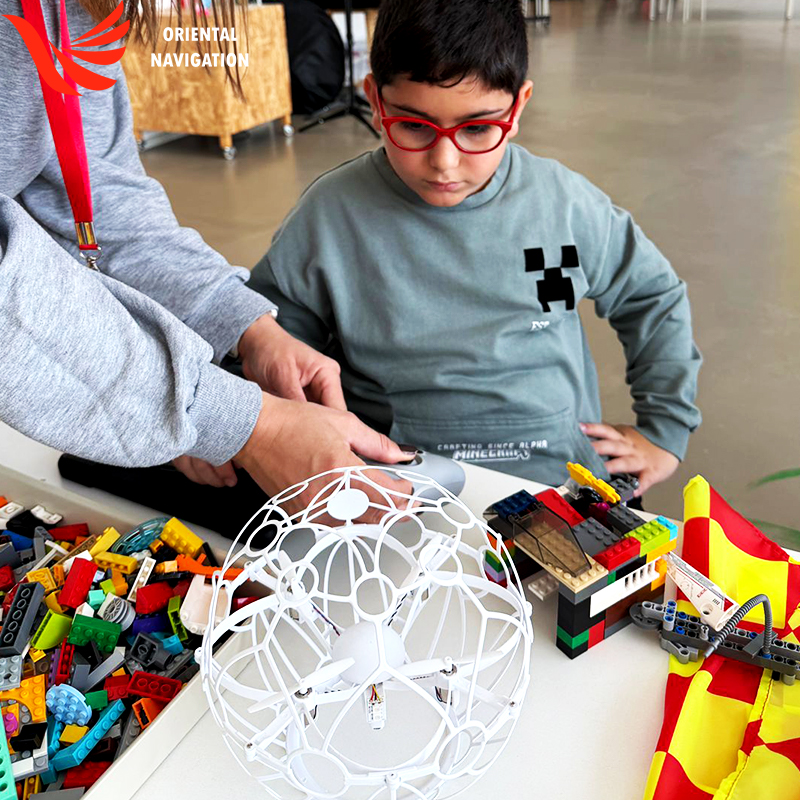
What makes drone soccer unique is its blend of drone operation and soccer-style tactics. Players use compact drones encased in protective spherical cages, which shield the devices from damage during collisions. The goal is straightforward: fly your drone through the opponent’s goal hoop to score. Watching drones buzz around the arena feels like a glimpse into the future of sports.
The sport’s rapid rise is no accident—it appeals to both tech enthusiasts and sports fans alike. In South Korea, it was initially used as an educational tool to teach students science and engineering concepts. Over time, it evolved into a competitive sport with local, national, and international tournaments. Governing bodies like the Federation of International Dronesoccer Association (FIDA) established official rules, standardizing gameplay and helping the sport gain global recognition.
To me, drone soccer is more than a game—it’s a testament to how technology can unite people. It’s not just about flying drones; it’s about collaboration, critical thinking, and creativity. Its South Korean origins highlight a focus on learning through play, and today, it continues to inspire players and spectators across the world.
How Are Drone Soccer Matches Played and Scored?
My first time watching a drone soccer match left me in awe of its structure and excitement. Games take place in a netted arena, where two teams face off to score goals using their caged drones. Each team fields 3–5 players, and every player controls their own drone. While the core goal—flying through the opponent’s hoop—sounds simple, the sport is layered with strategy.
Match Structure
Drone soccer follows a rigid, fast-paced format. Each match is divided into three 3-minute sets, with short breaks between sets for teams to repair drones or tweak their game plans. The team with the most goals at the end of the three sets wins. If the score is tied, the game moves to sudden-death extra time, where the first team to score takes the victory. This structure ensures matches are tight, tense, and never boring.
Scoring Rules
Scoring requires precision and adherence to rules. Only one drone per team—dubbed the Striker—is eligible to score goals. To earn a point, the Striker must fly completely through the opponent’s goal hoop in a forward direction. If the drone fails to cross the hoop fully, the goal is disqualified. I’ve witnessed the thrill of players celebrating a successful Striker goal—it’s always the highlight of the match.
An offside rule keeps gameplay fair. If the Striker hovers in the opponent’s goal area or flies through the hoop without proper control, the team is called offside. When this happens, all of the team’s drones must return to their own half of the arena before they can attempt to score again. This rule adds a strategic layer, forcing teams to plan their movements carefully.
Official Match Rules Overview
| Rule Type | Description |
| Match Structure | 3 sets of 3 minutes each, with repair breaks in between. Total match time runs around 30 minutes. Sudden-death extra time resolves ties. |
| Scoring | Only the Striker drone can score by fully passing through the opponent’s goal hoop forward. Goals are invalid if the Striker is offside or doesn’t cross the hoop entirely. |
| Offside Rule | A team is offside if their Striker enters the opponent’s goal area uncontrolled or scores improperly. All drones must return to their half to reset play. |
The Role of Teamwork
Teamwork is the backbone of drone soccer. While the Striker focuses on scoring, other players take on defender or supporter roles. Defenders block the opposing Striker from reaching their goal, while supporters create opportunities for their own Striker to attack. Clear communication is essential— the best teams coordinate seamlessly, adapting their strategies in real time.
Drone soccer combines skill, strategy, and collaboration to create a one-of-a-kind experience. It’s no wonder it’s becoming a staple in schools and competitions around the world.
What Equipment and Skills Are Needed for Drone Soccer?
When I started playing drone soccer, I quickly realized that having the right gear and skills is make-or-break. The sport relies on specialized equipment and a mix of technical and soft skills to succeed. Here’s a breakdown of what you need to get started:
Essential Equipment
To step onto the drone soccer arena, you’ll need these core items:
Caged Drones: Small, durable drones encased in protective spherical cages to prevent damage during crashes.
Remote Controllers: Precision controllers that let players steer drones with accuracy.
Netted Arena: A enclosed netted space that keeps drones contained and safe during gameplay.
Goal Hoops: Hanging rings that serve as the target for scoring goals.
Protective Gear: Safety glasses for players and spectators to guard against flying debris.
Quality equipment directly impacts performance. Between sets, teams often tweak and repair their drones to ensure they’re in top shape for the next round.
Key Skills for Success
Drone soccer isn’t just about flying a drone—it demands a diverse skill set:
Drone Piloting & Maintenance: Players learn to build, program, and troubleshoot drones, which helps them control their devices smoothly during matches.
Problem-Solving: Matches are full of surprises; players must think on their feet to fix drone malfunctions or adjust strategies mid-game.
Teamwork & Communication: Clear, quick communication between teammates is critical for coordinating attacks and defenses.
Leadership: Strong leaders keep teams focused during high-pressure moments, making split-second decisions to turn the tide of the game.
Pro Tip: If you’re new, start with basic drone maneuvers before diving into team strategies. Mastering the fundamentals will build your confidence and set you up for success.
These skills don’t just make you a better drone soccer player—they prepare you for real-world challenges in tech and teamwork. The blend of technical know-how and collaboration is what makes the sport so rewarding.
How Is Drone Soccer Used in Schools and Esports?
Witnessing drone soccer in school settings was a game-changer for me. It’s far more than a extracurricular activity—it’s a hands-on STEM education tool. Students build, program, and repair drones as part of lessons, gaining practical skills in science, technology, engineering, and math. These skills translate directly to future careers in tech, aerospace, and engineering.
Events like the U.S. Drone Soccer National Championship motivate students to pursue STEM fields, showcasing career paths in aviation, drone research, and aerospace engineering. Beyond technical skills, drone soccer teaches teamwork and communication; I’ve watched students collaborate to plan plays, defend their goals, and celebrate victories together. These experiences build leadership and decision-making abilities that extend beyond the arena.
In the world of esports, drone soccer is rapidly gaining momentum. Tournaments attract players from across the globe, fostering a tight-knit community of enthusiasts. Teams train rigorously to refine their flying skills and strategies, and watching these high-stakes matches is electrifying. Drone soccer bridges the gap between education and entertainment, proving that learning can be just as fun as competition.
What Are the Opportunities and Challenges for Starting a Drone Soccer Team?
Launching a drone soccer team is an exciting journey—one that’s full of rewards and a few hurdles. Understanding both sides will help you prepare for success.
Opportunities
Teamwork & Camaraderie: The sport brings people together, fostering strong friendships through shared goals and challenges.
STEM Learning: Building and operating drones teaches engineering, coding, and problem-solving skills that are valuable for future careers.
Competitive Growth: With the sport’s rising popularity, tournaments are easy to find. Competing helps players build confidence and improve their skills.
Fun Factor: Let’s not forget—the thrill of flying a drone and scoring a goal is unbeatable.
Challenges
Equipment Costs: Drones, controllers, and safety gear can be pricey. Teams can offset costs by sharing equipment, seeking sponsorships, or applying for educational grants.
Piloting Learning Curve: Controlling drones takes practice; new players often struggle with precision at first. Consistent training sessions are key to overcoming this.
Team Organization: Coordinating practices, managing gear, and scheduling tournaments requires effort. Strong leadership and shared responsibility make this easier.
Despite the challenges, starting a drone soccer team is incredibly rewarding. It’s a chance to learn, compete, and have fun—all while building skills that last a lifetime.
FAQ
-
What is the youngest age to play drone soccer? Kids can start playing drone soccer at 10 years old. Many schools and youth programs offer beginner-friendly training to help young players learn the ropes. -
How much does it cost to play drone soccer? Costs vary based on gear quality. A basic starter kit (drone + controller) ranges from $150–$300. Teams can save money by sharing equipment, and some local programs lend gear to new players. -
Can beginners play drone soccer? Absolutely! Most programs start with basic flying lessons to build confidence. With regular practice, beginners can quickly progress to competitive play. -
How long does it take to learn drone flying? Basic drone control can be mastered in a few weeks of consistent practice. Advanced skills—like strategic maneuvering and team coordination—take longer to perfect. -
Are there professional drone soccer leagues? Yes! Organizations like the US Drone Soccer Association (USDSA) and FIDA host professional leagues and international tournaments, giving skilled players a chance to compete at the highest level.


